Advocacy
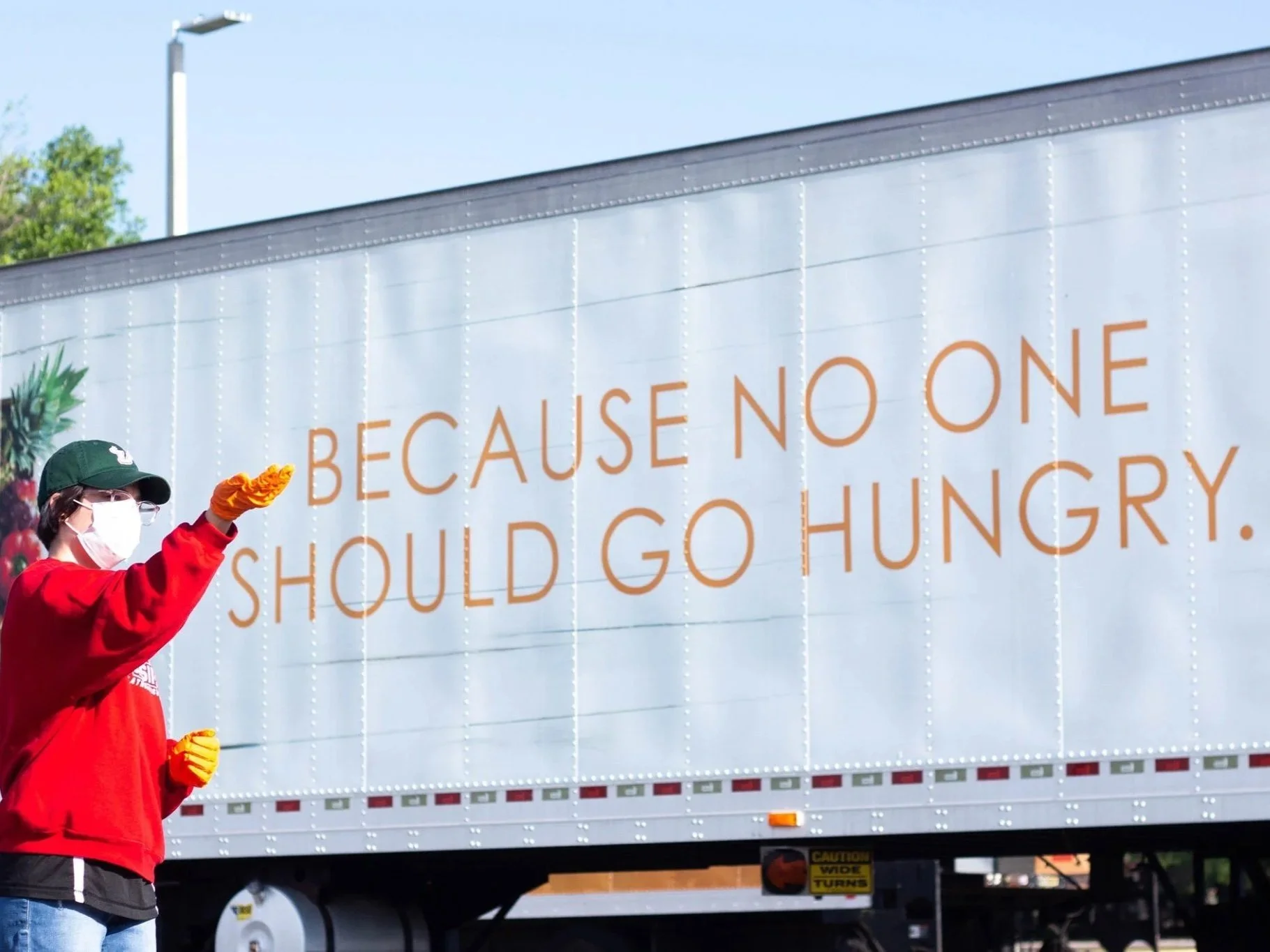
It takes more than food to fight hunger
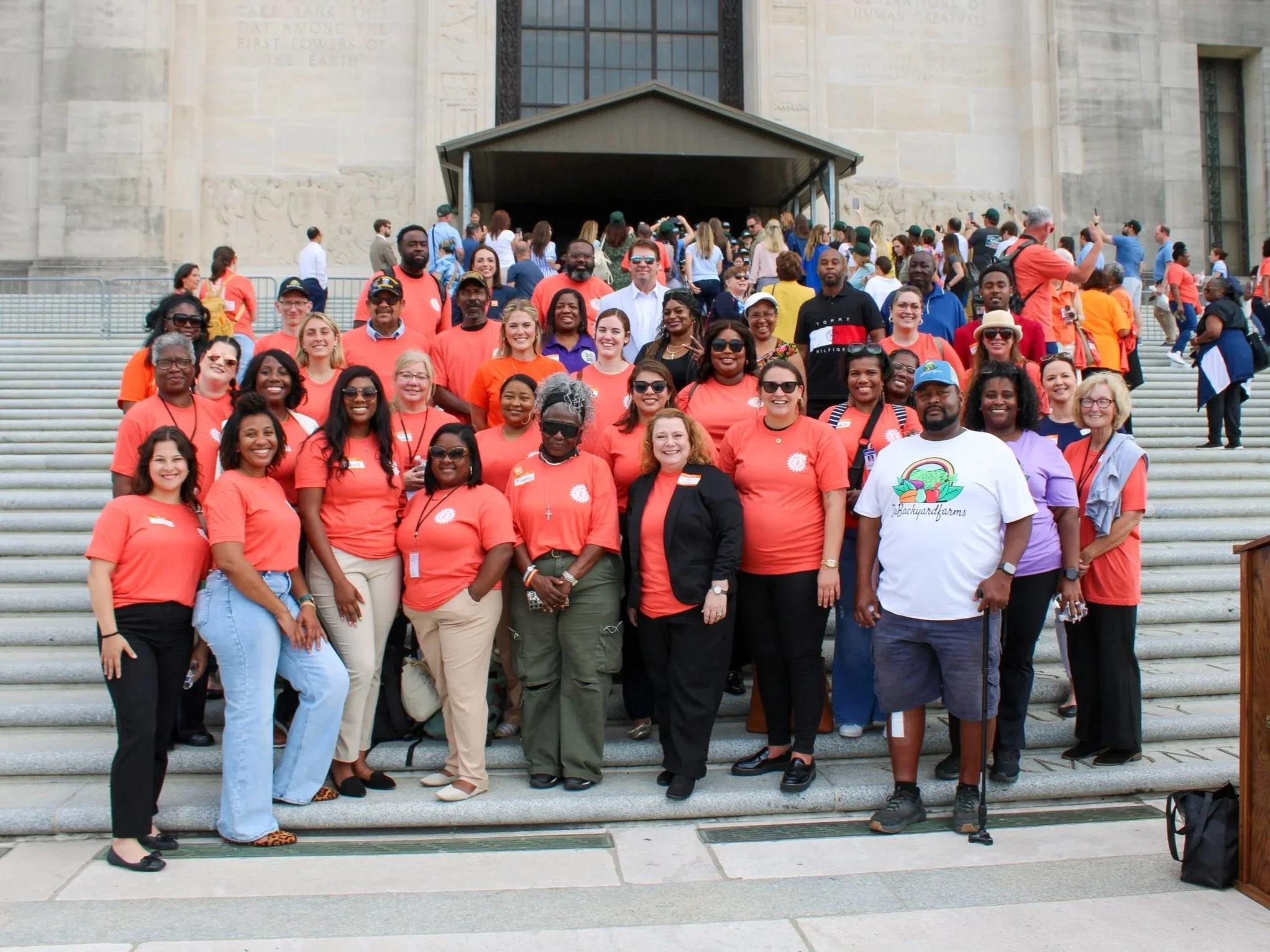
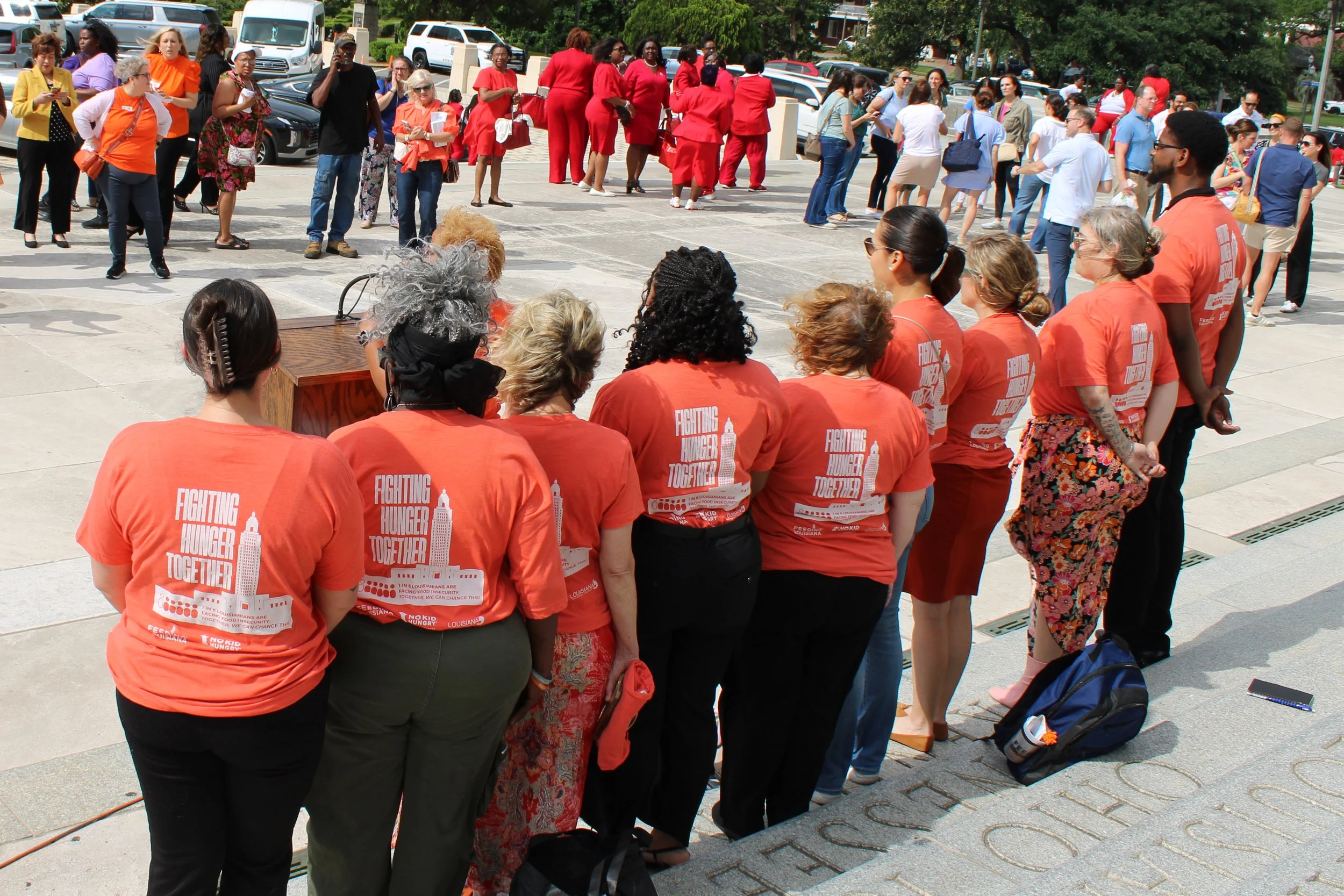
Feeding Louisiana and our partner agencies are on the front lines of hunger. We all have a stake in ensuring our neighbors have enough to eat. Every day, elected officials in Congress, state legislators, and local leaders shape the state of hunger. Join us in advocating for programs and policies that address the many factors that contribute to food insecurity.
Our Policy Priorities
Expand access to food
Provide disaster preparation and response support
Protect and strengthen programs that fight hunger
Protect and strengthen the Charitable Food Assistance Network
Feeding Louisiana Policy Priorities 2026
Who We Are
Feeding Louisiana is the statewide association of the five Feeding America–affiliated food banks serving all 64 parishes: Second Harvest Food Bank of Greater New Orleans & Acadiana, Greater Baton Rouge Food Bank, Food Bank of Central Louisiana, Food Bank of Northeast Louisiana, and Food Bank of Northwest Louisiana.
Our Approach
Our policy agenda is statewide, data-informed, nonpartisan, and coordinated with partners. It centers the lived expertise of neighbors experiencing hunger and focuses on actions where our voice and capacity add the most value—meeting urgent needs today while advancing a future in which every Louisianan has equitable access to the nutritious food they need to thrive. Addressing food insecurity requires both emergency food and work on root causes: poverty, lack of affordable housing, chronic health conditions, and discrimination.
Note: Additional legislation affecting our ability to nourish communities, shorten the line for food assistance, and elevate neighbor and partner voices may arise during the year; not all priorities are captured here.
-
Strengthen TEFAP. Increase funding, flexibility, and infrastructure support for The Emergency Food Assistance Program.
Modernize SNAP. Protect access, simplify enrollment/recertification, support reasonable waivers, and ensure benefit adequacy.
Enhance Child Nutrition Programs. Improve and expand NSLP/SBP, SFSP, CACFP, and WIC participation and operations.
Boost Food Recovery & Access. Expand incentives/liability protections and invest in rescue logistics.
Advance Equity. Ensure federal nutrition programs equitably reach rural communities, communities of color, older adults, people with disabilities, and limited-English-proficient households.
Child Tax Credit. Restore an expanded, fully refundable CTC for the lowest-income families.
Sustain Proven Models. Promote and fund programs such as LFPA (Local Food Purchase Assistance) that connect neighbors with local, nutritious food.
-
Expand Equitable Food Access
Increase State Investment in Food & Capacity. Secure appropriations for Feeding Louisiana and member food banks to purchase Louisiana-grown produce and proteins and to expand capacity (refrigeration, storage, and transportation) across partners and rural parishes.
Leverage Retail & Agriculture. Scale retail donations, food purchasing, and rescue; strengthen partnerships with Louisiana farmers, fisheries, and processors.
Reduce Administrative Barriers. Remove burdens that keep eligible neighbors from SNAP, WIC, and other benefits; maintain access-increasing waivers when justified by need.
Maximize Outreach. Fund community-based outreach and navigation to connect eligible households to SNAP, WIC, and other nutrition supports.
Strengthen Participation in Federal Nutrition Programs (in Louisiana)
SNAP. Partner with LDH and community organizations to streamline access, reduce churn, and improve customer service.
TEFAP. Coordinate with LDAF/LDH to optimize allocations, distribution, and inventory management.
School & Early Childhood Meals. Support policies that keep meals free or affordable for all students (e.g., expand CEP, eliminate reduced-price co-pays) and invest in frontline cafeteria staff (wages/stipends) and local purchasing.
WIC/CACFP/SFSP. Expand vendor access, hours, and community sites; reduce paperwork and improve technology.
Improve Health & Household Stability
Food Is Medicine. Work with LDH and policymakers to integrate nutrition supports into healthcare (e.g., produce prescriptions, medically tailored food), including via Medicaid demonstrations/waivers and other payor strategies.
Economic Security. Support policies that increase access to affordable housing, quality childcare, and healthcare/coverage—key drivers of food security.
Targeted Tax Policy. Reinforce state-level tools (e.g., CTC/EITC-style measures) that efficiently reach families at highest risk of food insecurity.
Enable a Strong Nonprofit Sector
Encourage Giving. Preserve and expand state tax incentives that encourage charitable donations and in-kind contributions to nonprofits serving food-insecure neighbors.
Reduce Friction. Standardize and streamline state contracting, reimbursement, and reporting to ensure timely delivery of services.
How We Work
Neighbor-Informed. Policy shaped by people with lived experience.
Data-Driven. Decisions guided by evidence and operational insights.
Nonpartisan. We collaborate across administrations and parties.
Coalition-Aligned. We coordinate with statewide partners to amplify impact and avoid duplication.
Uniting Partners to Feed More Neighbors
Together with lawmakers, agencies, schools, healthcare, farmers, retailers, and community partners, Feeding Louisiana will move more nutritious food to more neighbors—while advancing policies that reduce the need for emergency food over time.